
Description
Product Overview
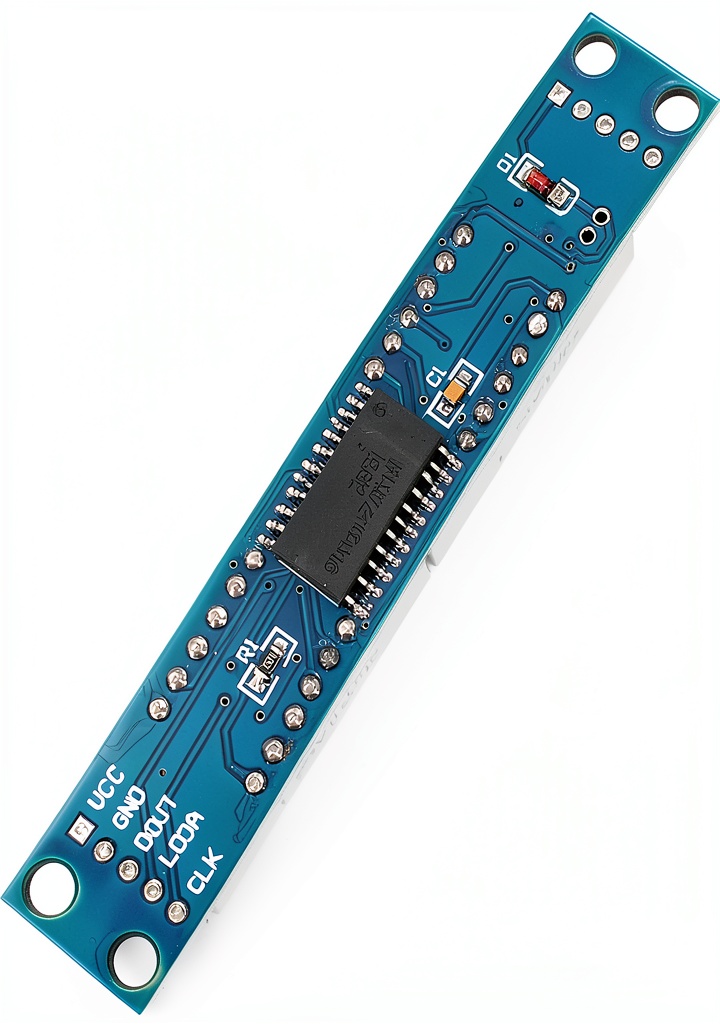
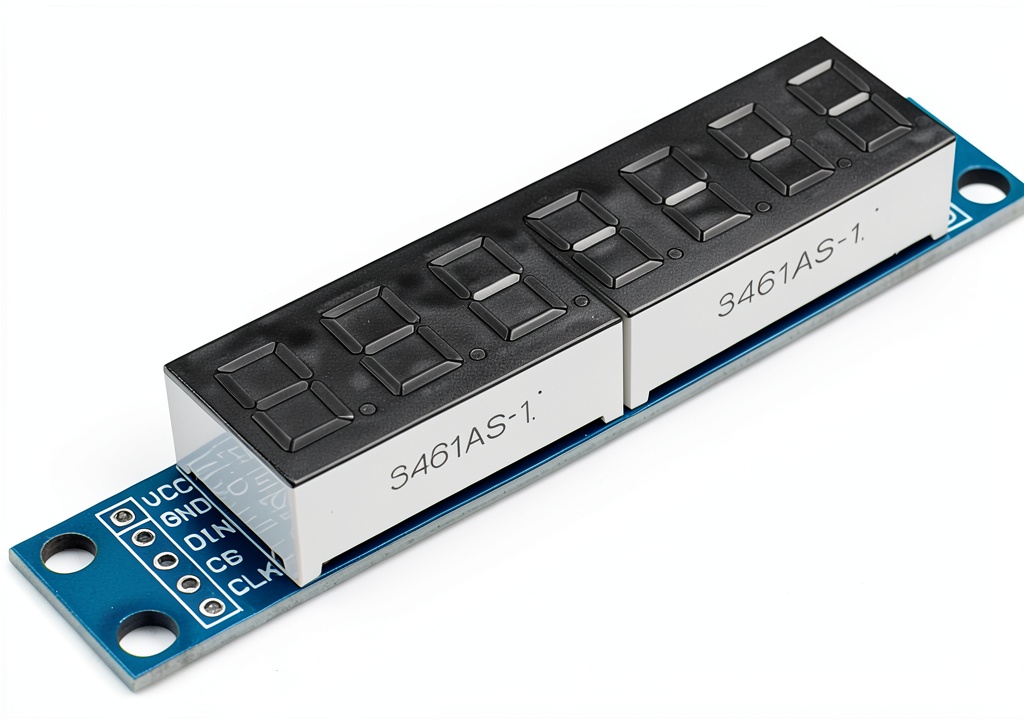
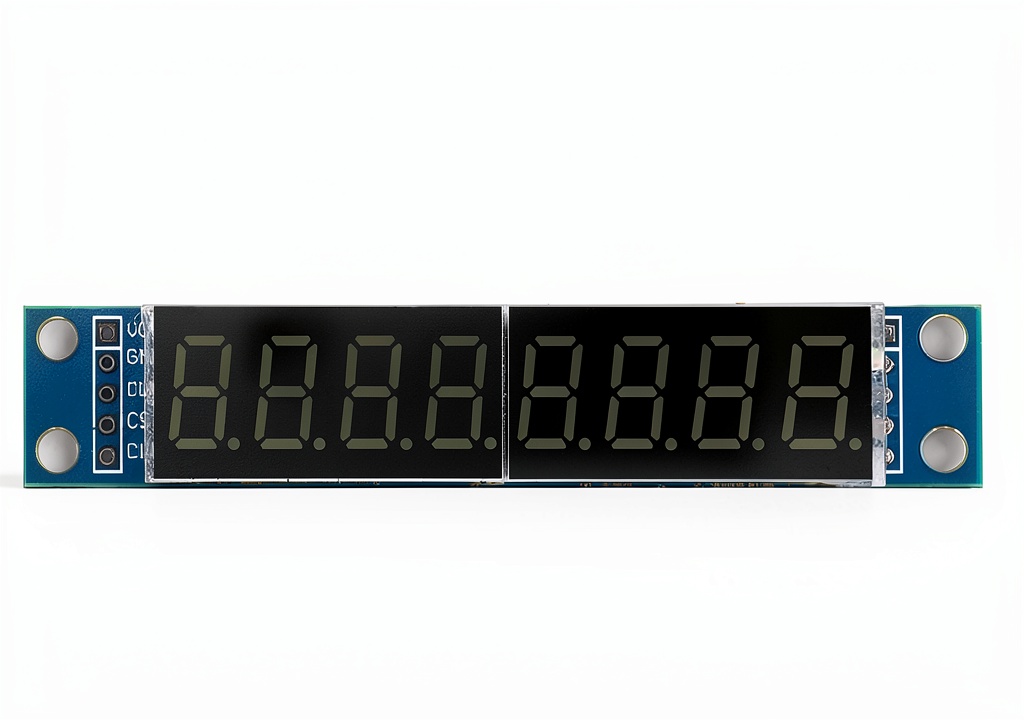
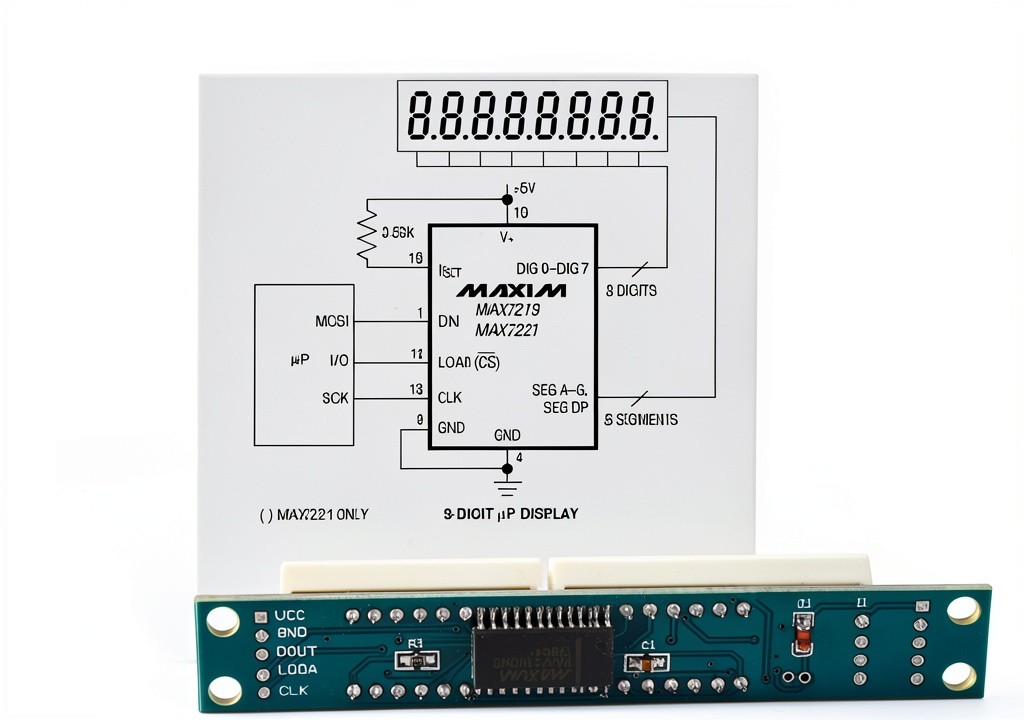
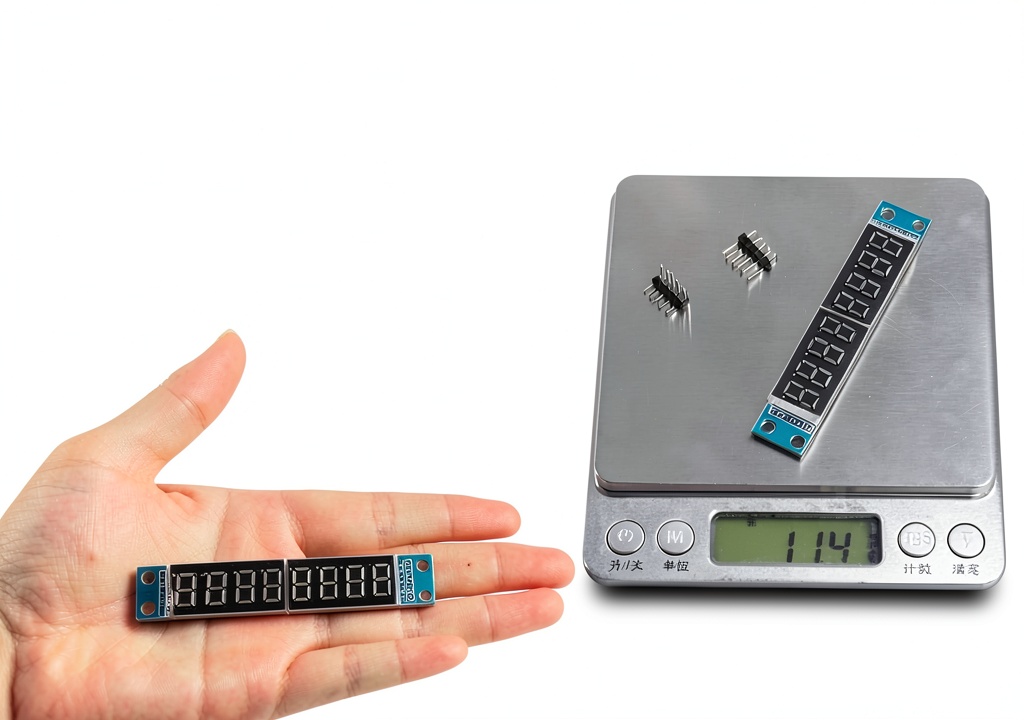
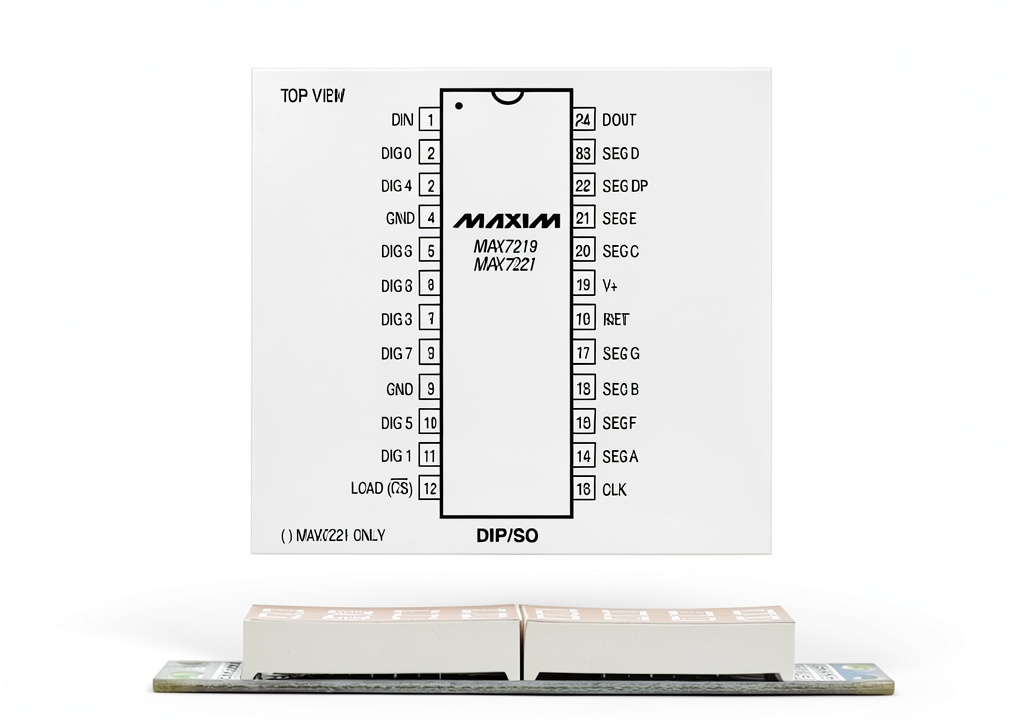
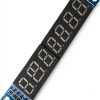
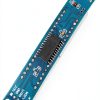
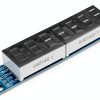
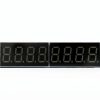
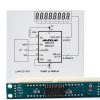
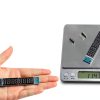
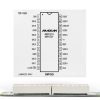
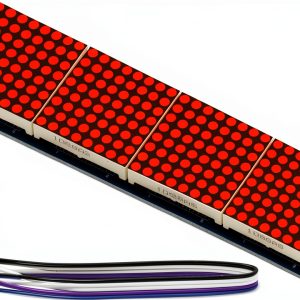
The DEVMO 4pcs 8‑digit 7‑segment MAX7219 module is a versatile LED display solution designed for developers, engineers, and hobbyists who need reliable numeric output in a compact form factor. Each module contains eight common‑cathode 7‑segment LEDs driven by the integrated MAX7219 driver IC, which handles multiplexing, brightness control, and decoding internally. The design requires only three microcontroller I/O pins—DIN, CLK, and CS—making wiring simple and freeing up valuable pins for other functions. The modules operate at 5 V or 3.3 V, ensuring compatibility with a broad range of platforms such as Arduino, STM32, AVR, and 8051 microcontrollers. Dimensions of 4.84 × 4.45 × 1.57 inches and a lightweight of 2.92 oz provide a balance between visibility and portability. The package includes four identical modules, allowing users to cascade up to 32 digits for large‑scale readouts, while maintaining flicker‑free performance thanks to the MAX7219’s built‑in current regulation.
![[Product front view showing all components]](https://www.cityfresh.store/wp-content/uploads/2026/07/0051078d3524486c926eea455f30c0a4.jpg)
Usage
This display module excels in applications where clear numeric information is essential. Typical use cases include digital clocks, voltage meters, temperature displays, scoreboards, and industrial instrumentation panels. Its low pin count and cascade capability make it ideal for embedded systems that require multi‑digit displays without sacrificing processing resources. The module’s robust construction tolerates typical laboratory and workshop environments, and the clear, high‑contrast LEDs remain readable under various lighting conditions. Whether you are building a prototype for a university project, a hobbyist gadget, or a commercial device, the DEVMO MAX7219 module provides a straightforward path from code to visual output.
Why Choose Us
DEVMO is a trusted brand in optoelectronic components, known for rigorous quality control and reliable performance. Each module undergoes thorough testing to ensure consistent brightness, accurate segment decoding, and stable operation across the full temperature range. The MAX7219 driver is a proven industry standard, offering built‑in protection against over‑current and thermal overload. Our modules are backed by responsive technical support and a clear documentation package, including wiring diagrams and example code for popular development platforms. Choosing DEVMO means you receive a product that combines engineering excellence with user‑friendly design, reducing development time and minimizing the risk of hardware failures.
Key Features
- Simple three‑wire interface frees up microcontroller pins for other tasks
- Supports cascading up to 32 digits for large‑scale numeric displays
- Flicker‑free operation with built‑in brightness control
- Compatible with 5 V and 3.3 V systems, covering Arduino, STM32, AVR, and 8051
- Responsive after‑sales service and detailed technical documentation
FAQ
What microcontrollers are compatible with the DEVMO MAX7219 module?
The module works with any 5 V or 3.3 V microcontroller that can provide three digital I/O pins, including Arduino, STM32, AVR, and 8051 families.
How do I cascade multiple modules together?
Connect the DIN of the first module to the microcontroller, then link the DOUT of each module to the DIN of the next. The MAX7219 handles the data stream automatically, allowing you to expand the display length without additional code complexity.
Can I control the brightness of the LEDs?
Yes, the MAX7219 driver includes an intensity register that lets you set brightness levels from 0 (off) to 15 (maximum) via simple SPI commands.
Is there any risk of damaging the module if I connect it incorrectly?
Connecting VCC and GND incorrectly can damage the chip. Always double‑check the wiring diagram and ensure VCC is connected to the appropriate voltage level (5 V or 3.3 V) and GND to ground.
Do you provide example code for common development boards?
Yes, DEVMO supplies example sketches for Arduino, STM32 HAL, AVR‑GCC, and 8051 Keil environments, making it easy to get started with basic counting, scrolling text, and custom animations.
Reviews
There are no reviews yet.