
Description
Product Overview
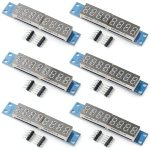
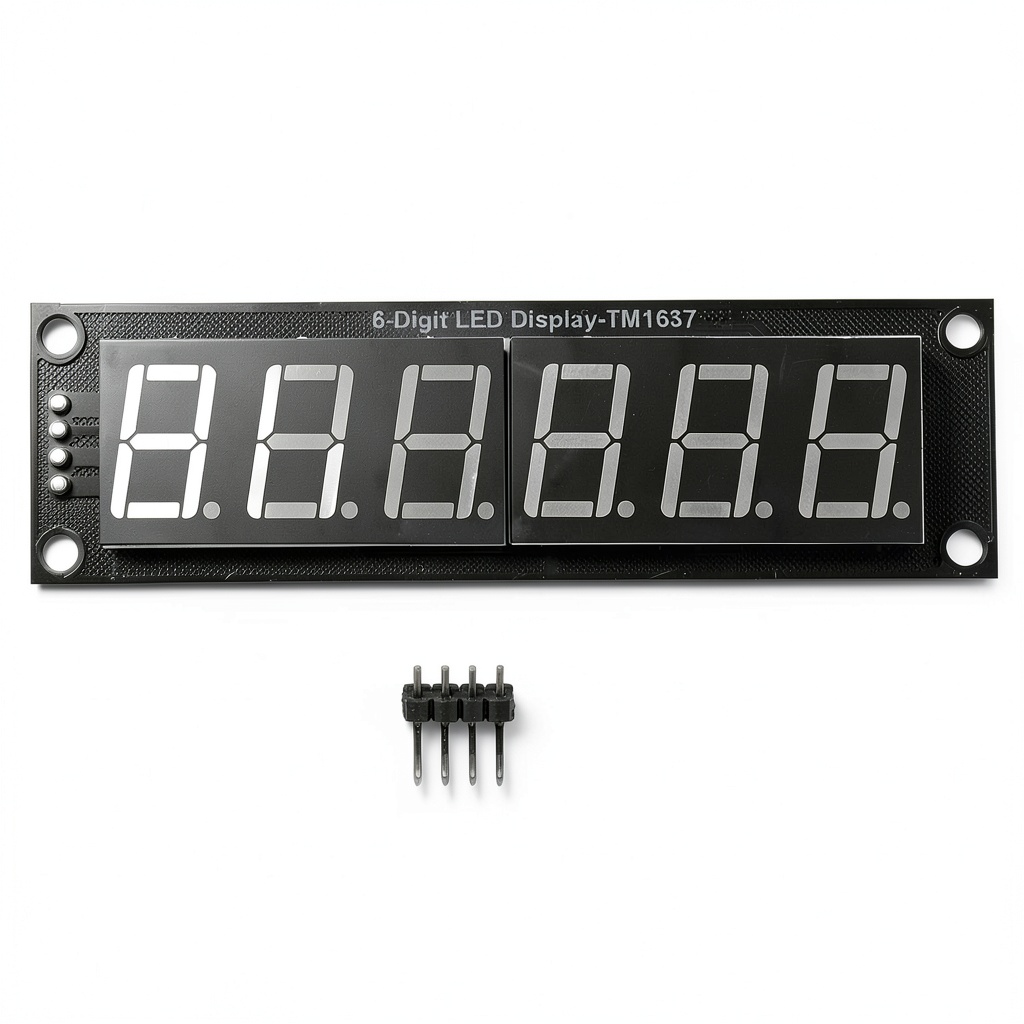
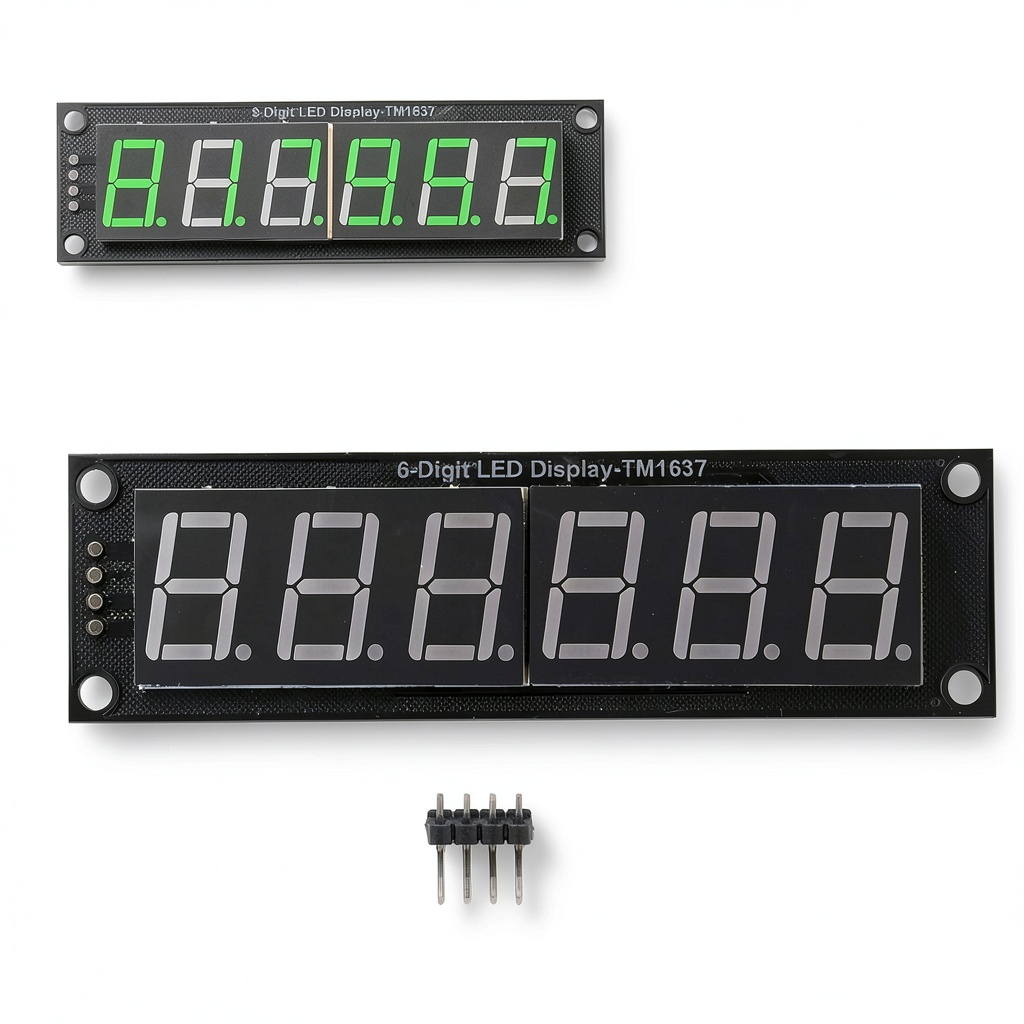
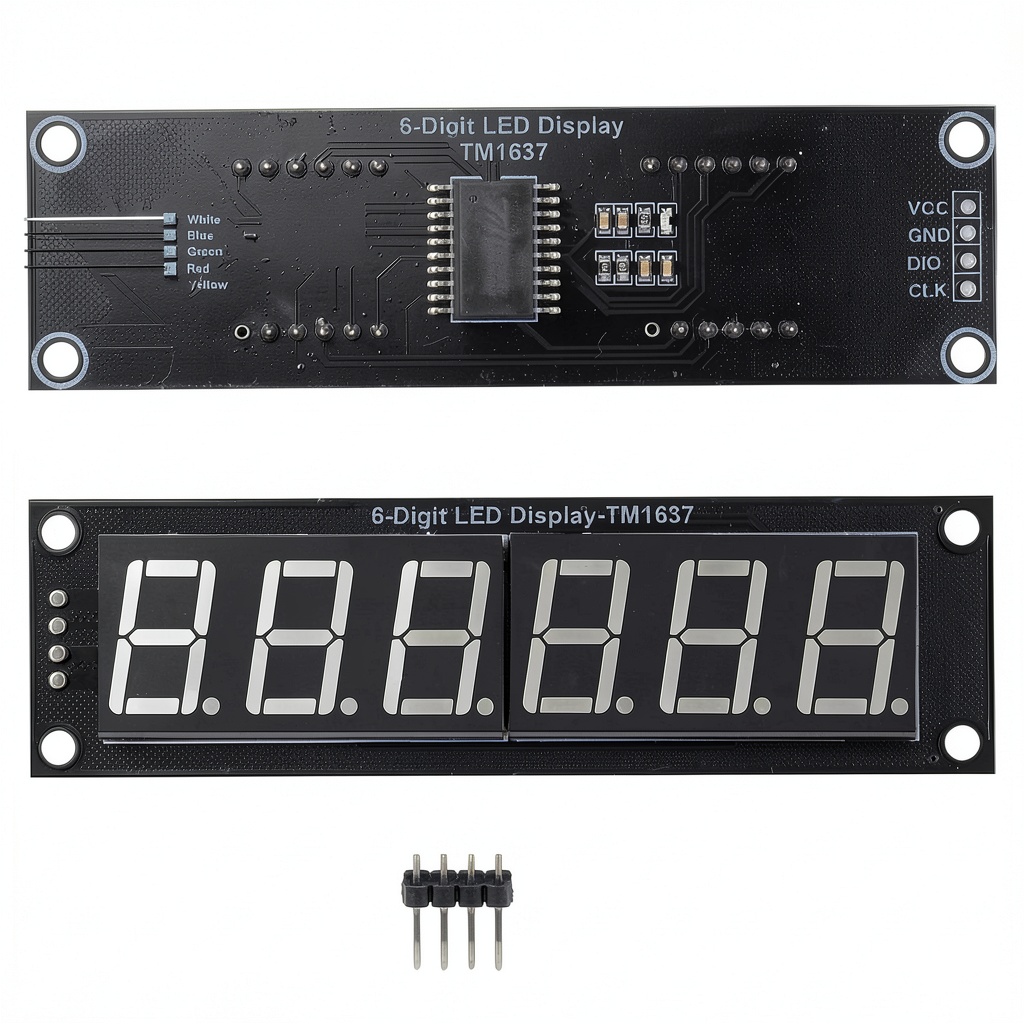
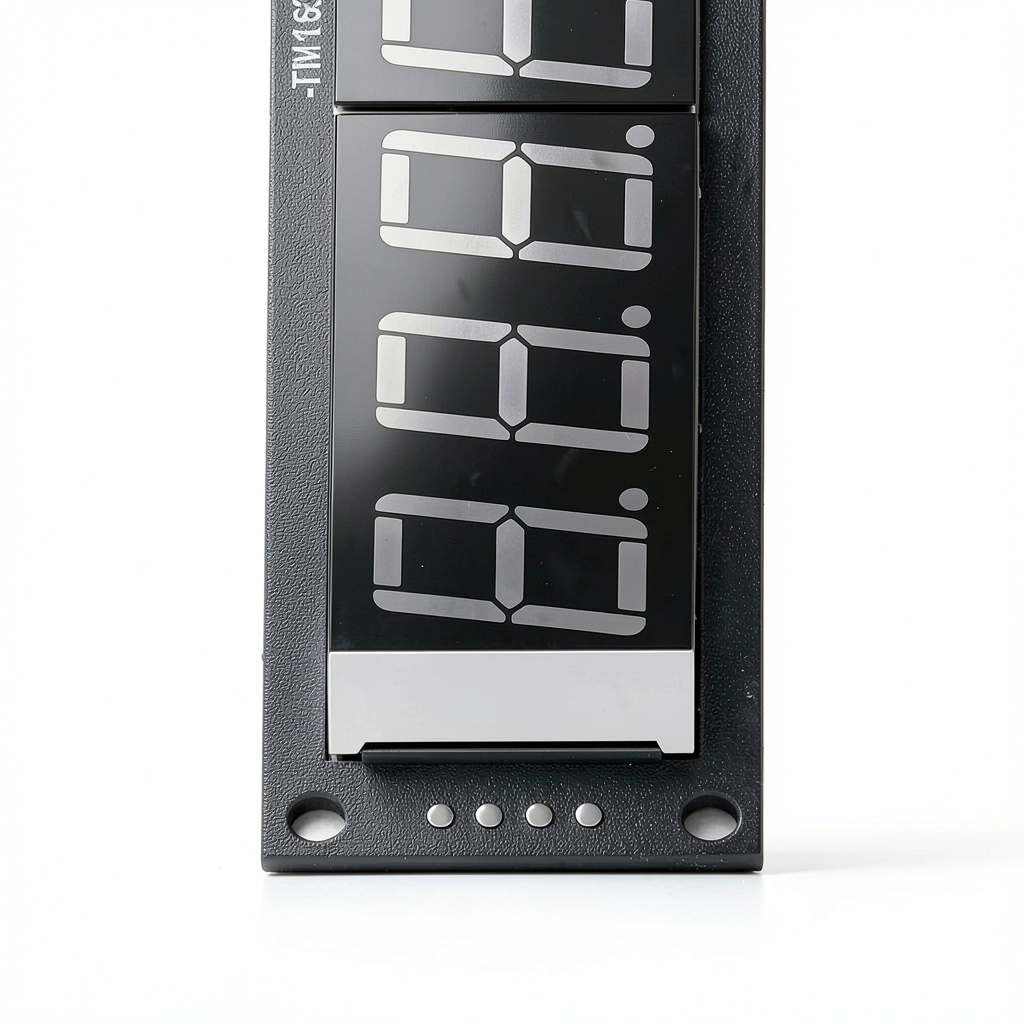
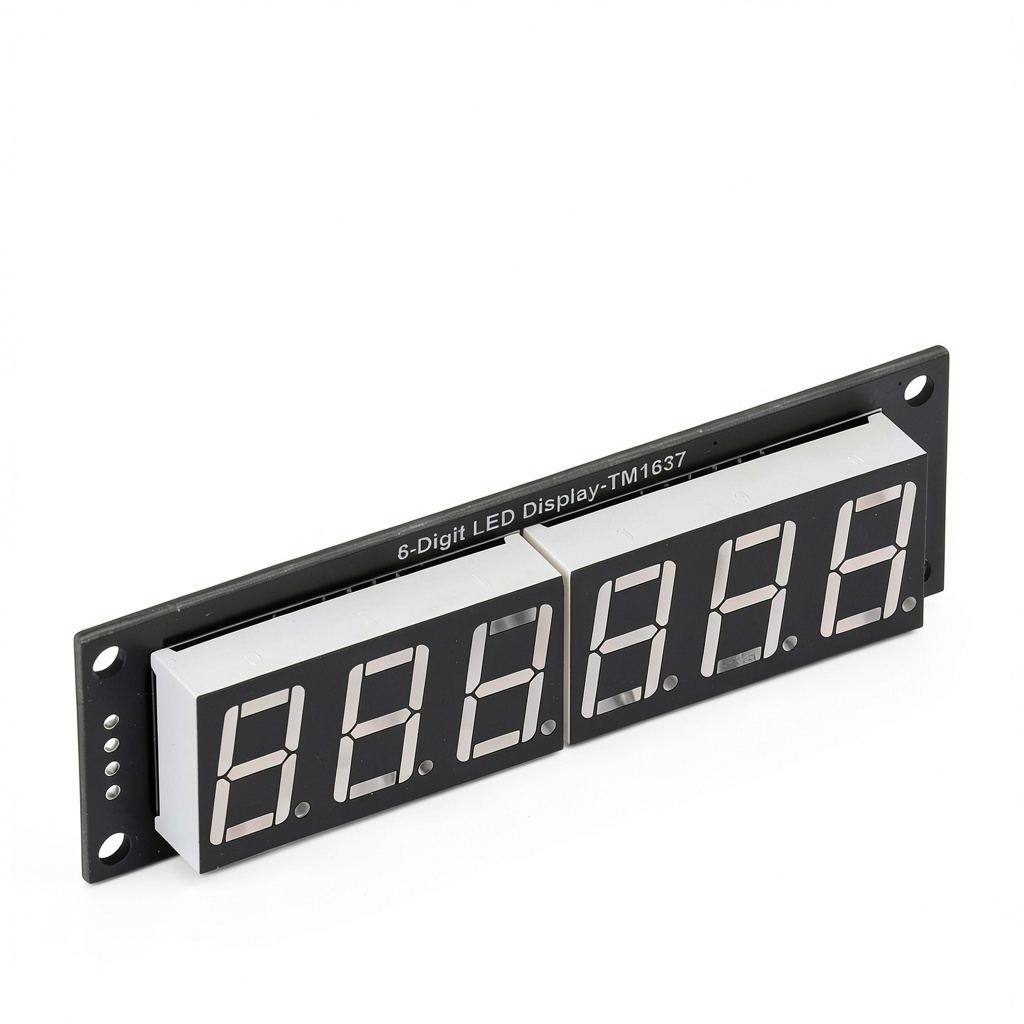
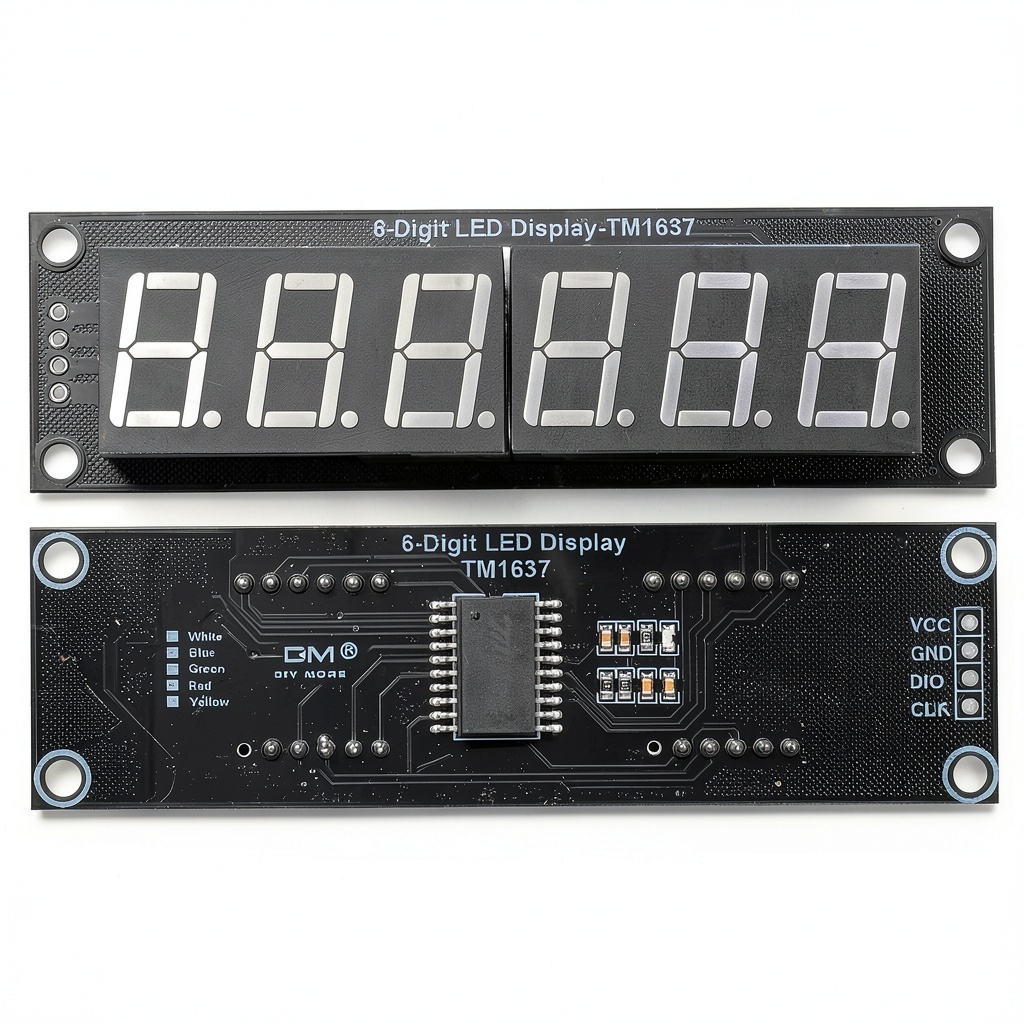
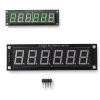
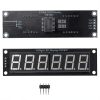
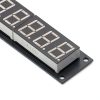
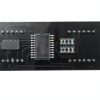
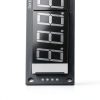
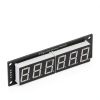
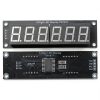
The LiebeWH 6 digit 7 segment LED display module combines a high‑efficiency TM1637 driver IC with a compact green‑digit PCB layout, delivering clear numeric readouts at a low 5 V operating voltage. Designed for ease of integration, the module includes a pre‑soldered pin header that aligns perfectly with standard breadboard and prototype boards, eliminating the need for complex wiring or additional components. The LED segments are fabricated from high‑quality, low‑power consumption diodes that provide bright, consistent illumination while extending the overall lifespan of the device.
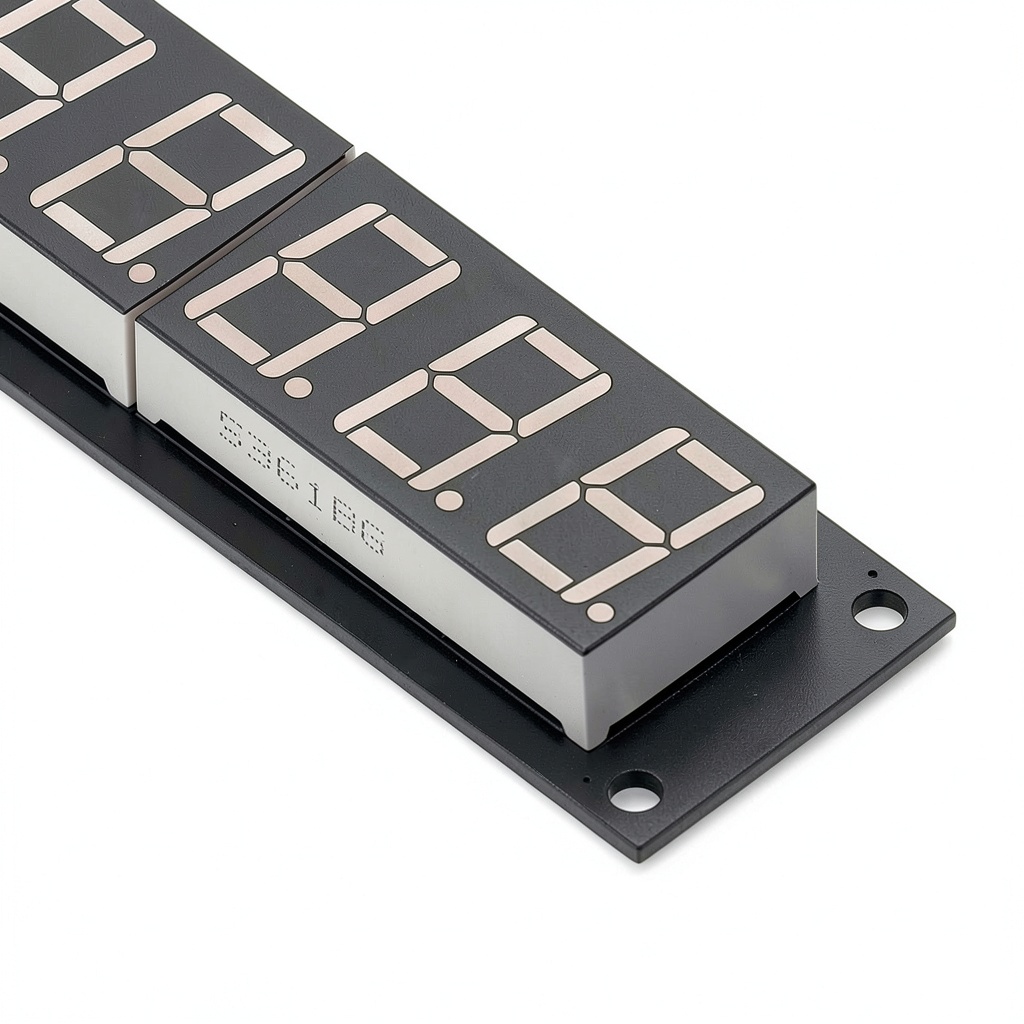
Core features of this display include a six‑digit, seven‑segment configuration with individual decimal points, enabling precise representation of values ranging from simple counters to complex time‑keeping displays. The TM1637 driver handles multiplexing and brightness control internally, allowing users to adjust intensity via a single PWM pin or rely on the built‑in auto‑brightness algorithm for optimal visibility under varying ambient light conditions. This reduces the processing load on the host microcontroller, freeing resources for other tasks.</n
Technical specifications highlight a compact form factor measuring 3.78 × 1.30 × 0.35 inches and a lightweight profile of just 0.71 ounces, making it ideal for space‑constrained applications. The module operates reliably from 4.5 V to 5.5 V, with a typical current draw of 20 mA per digit at full brightness, ensuring efficient power usage in battery‑powered projects. The green LED color offers excellent contrast on dark backgrounds, enhancing readability in both indoor and outdoor environments.
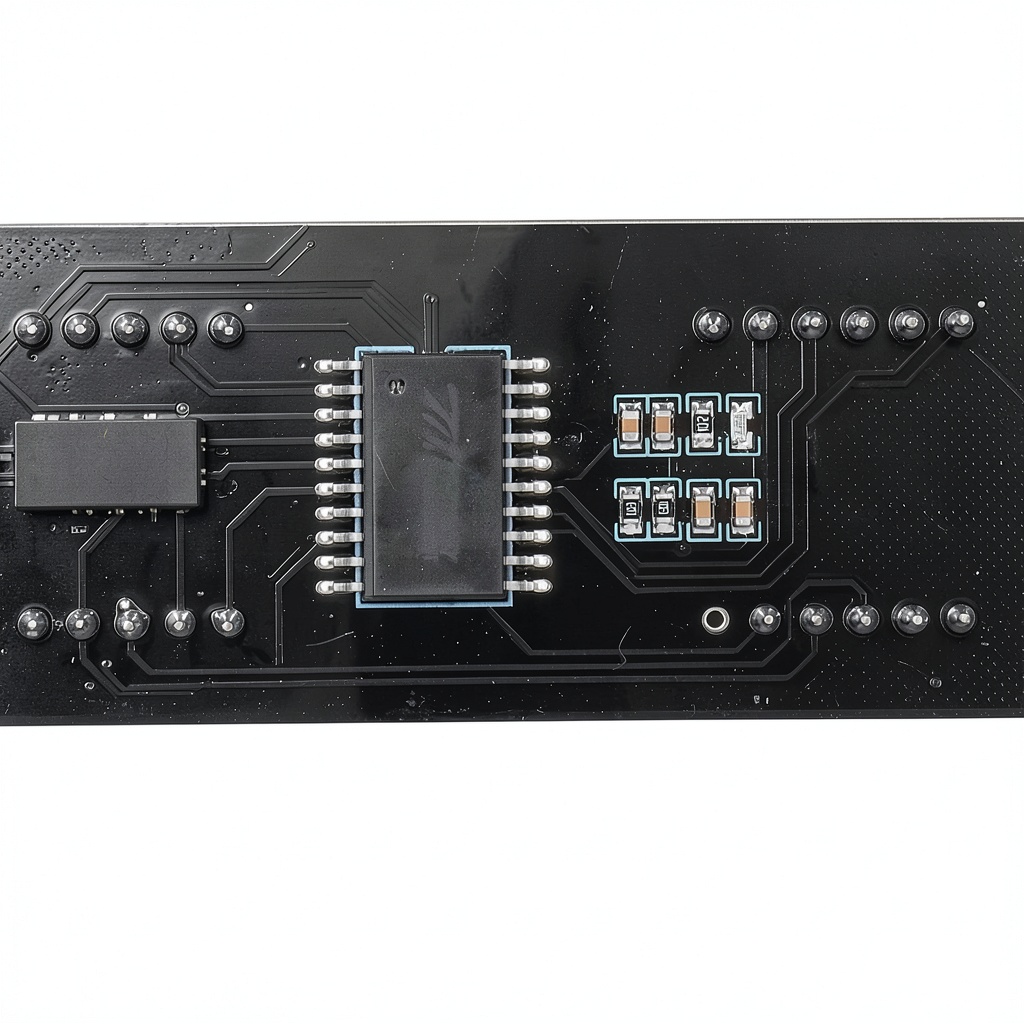
Beyond its technical merits, the display is engineered for durability. The PCB is coated with a protective solder mask that guards against moisture and dust ingress, while the LED segments are encapsulated to resist mechanical shock and vibration. This robust construction makes the module suitable for a wide range of industrial, educational, and hobbyist applications, from handheld devices to stationary instrumentation panels.
Usage
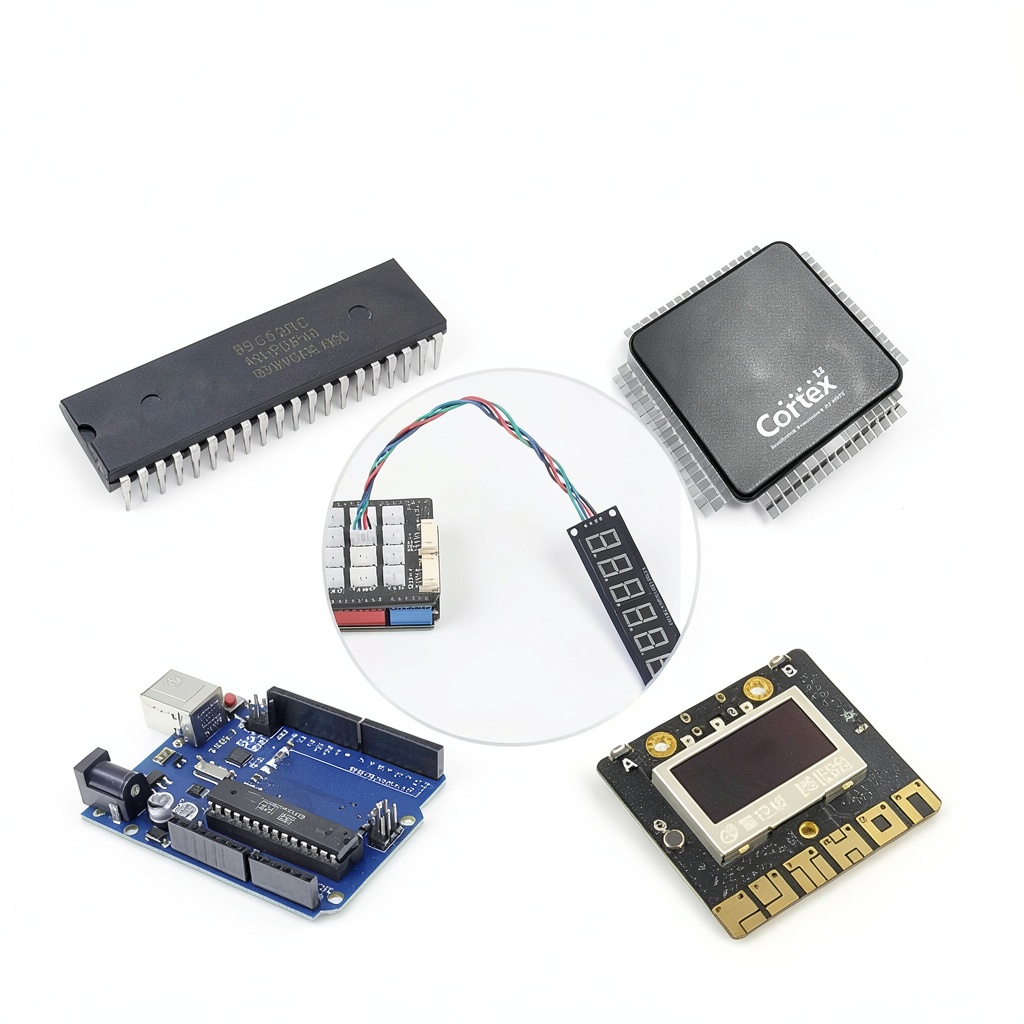
In DIY electronics, the module serves as a versatile component for building digital clocks, timers, and counters. Hobbyists can quickly connect the display to popular development platforms such as Arduino, ESP32, or Raspberry Pi Pico using just two data pins, enabling rapid prototyping of time‑keeping or measurement interfaces. The straightforward wiring reduces setup time, allowing creators to focus on software development and functional testing.
For educational settings, the display provides a hands‑on learning tool for students exploring binary‑coded decimal (BCD) concepts, multiplexing techniques, and microcontroller programming. Instructors can design lab exercises that demonstrate how the TM1637 driver simplifies segment control, reinforcing theoretical knowledge with practical implementation. The clear green digits ensure that results are easily readable from a distance, facilitating classroom demonstrations.
Industrial applications benefit from the module’s reliability and compact size. It can be integrated into equipment panels for status indication, process monitoring, or numeric readouts in compact devices such as handheld testers, portable meters, and embedded control units. The low power consumption and robust construction meet the demands of field‑deployed hardware where space, weight, and energy efficiency are critical factors.
Why Choose Us
Choosing the LiebeWH 6 digit 7 segment LED display means selecting a product that has undergone rigorous quality assurance testing. Each unit is inspected for LED uniformity, solder joint integrity, and functional correctness before shipment, ensuring that customers receive a reliable component that performs as advertised. The use of premium components and a well‑engineered PCB layout minimizes the risk of early failures, providing peace of mind for developers and engineers.
Our commitment to customer support extends beyond the point of sale. We offer comprehensive documentation, including wiring diagrams, example code snippets for popular microcontroller platforms, and troubleshooting guides to help users get the most out of their display. Technical assistance is available through email and online forums, where our experienced engineers can address specific integration challenges or performance questions.
Furthermore, the module’s design emphasizes flexibility and scalability. The TM1637 driver supports brightness adjustment and automatic dimming, allowing the display to adapt to diverse lighting conditions without additional hardware. This adaptability, combined with the module’s compact footprint, makes it a future‑proof choice for projects that may evolve in complexity or require additional functionality over time.
Key Features
- Easy two‑wire connection reduces setup time and simplifies circuit design.
- Bright green LEDs provide high contrast for clear readability in any lighting.
- TM1637 driver handles multiplexing and brightness control, freeing microcontroller resources.
- Compact 3.78 × 1.30 × 0.35 inch size fits tight spaces and lightweight applications.
- Responsive customer support and detailed documentation ensure smooth integration.
FAQ
What voltage range does the display operate within?
The module is designed to work reliably from 4.5 V to 5.5 V, making it compatible with standard 5 V logic levels used by most microcontrollers and development boards.
How many pins are required to control the display?
Only two data pins are needed for the TM1637 driver (CLK and DIO), plus a power and ground connection, simplifying wiring and reducing the number of I/O pins required on the host controller.
Can the brightness of the LEDs be adjusted?
Yes, the TM1637 driver includes a built‑in PWM control that allows you to set the brightness level programmatically, or you can enable the automatic brightness feature that adapts to ambient light conditions.
Is the display suitable for battery‑powered projects?
Absolutely. With a typical current draw of around 20 mA per digit at full brightness, the module is energy‑efficient and works well in portable, battery‑operated devices where power consumption is a key consideration.
What kind of support is available if I encounter issues?
We provide detailed wiring diagrams, example code for popular platforms, and responsive technical support via email. Our online community forum also offers peer‑to‑peer assistance and shared project ideas.
Reviews
There are no reviews yet.